

Login as…

Getting deeper under the skin of things
What’s on the outside helps show what’s on the inside.
Did you know skin is the biggest organ the body has? Sure, it’s not often thought of as an organ, but it’s potentially one of the most important. It doesn’t just protect us, it’s also the membrane which filters movement of any substance in and out of our body. It responds to so many factors externally, including light, heat, cold, humidity and touch.
The outside reflects the inside
Whatever’s going on inside our body shows up as a reflection on the skin. When skin becomes damaged, it’s a clear indication that something is going on inside our body. The location of the skin issue helps to indicate what challenges may be going on inside.
Having smooth, firm skin isn’t just about aesthetics – it’s directly linked to how the body’s functioning. In years gone by, doctors would commonly use the skin as a diagnostic tool; and that’s still the case for many holistic health professionals. For example, a trained eye can detect a poorly functioning thyroid by assessing certain aspects of the skin; while some kidney and liver issues can also present themselves through the skin.
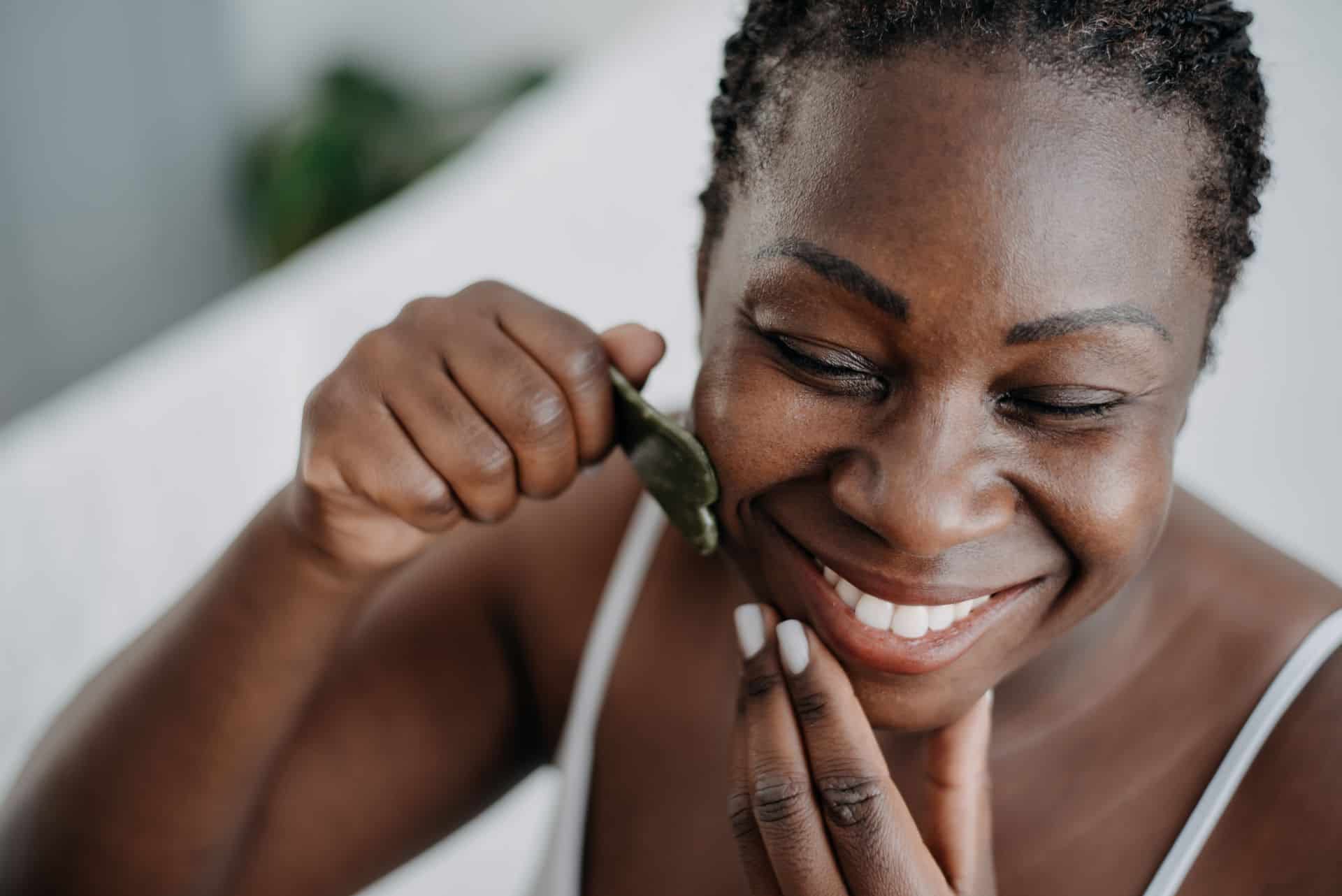
Finding an essential balance
Protecting the skin is a balancing act. We need to allow oxygen and nutrients in, and waste out – but also stop pollutants coming in. The skin is a microbiome, and something of an ecosystem for the whole body. We can’t easily see what’s going on inside, but our skin can be screaming out to us, alerting us to problems under the surface. For example, small reddish bumps on the back of the upper arms can indicate a lack of essential fatty acids (namely omega 3).
Skin is like a muscle, which needs its own form of exercise. For example, it needs to sweat and shiver to regulate temperature; it needs to be nourished, touched (even if lightly) by the breeze. These aren’t just ‘nice’ things to feel – they’re essential for our skin’s health, and the health of our whole body. The skin’s pores also play an important role: if we block or stifle their ability to function, this can affect the whole body.

Be skin-smart in the sun
If you’re spending long periods in the sun, you need to protect your skin from burning. We urge caution over which sun cream you choose, as many contain a long list of toxins. Natural sunscreen comes in the form of coconut oil, carrot oil and lavender essential oil. These all have different levels of natural protection, so a combination of these is ideal. Cover up or sit in the shade before reaching for chemical laden products: your skin will thank you for it, and so will the rest of your body.
Summer is also the time we need to top up our levels of vitamin D, to help see us through the darker months; when the sun isn’t strong enough to assimilate vitamin D. So it’s important to expose your arms and legs to the sun (between 11am and 3pm) to make the most of the sun’s ability to create vitamin D in your body.
Liposomal Vitamin C is an ideal skin product, which helps especially after a lot of sun, sea and sandy holidays. Our vegan omega 3 helps with our cells’ ability to move nutrients in and out, which needs to happen on a 24-hour cycle. This will have a positive effect on every organ of your body, and you’ll ultimately see the results in your skin.
These are just a few skin facts and tips to help you look after your body and health. What could you do more of to take greater care of your skin?