

Login as…

Discover the power of a better night’s sleep
Are you one of the 40% suffering a sleep crisis?
According to the Sleep Council, 40% of adults and children in the UK now suffer from broken sleep. That’s a lot of people who are struggling to get the rest they need.
Of course, the effects of sleep deprivation are very well understood by many new parents, but there are plenty of people who don’t fall into that category and who find it difficult to either fall off to sleep, to sleep deeply, stay asleep – or even all three.
Why sleep matters
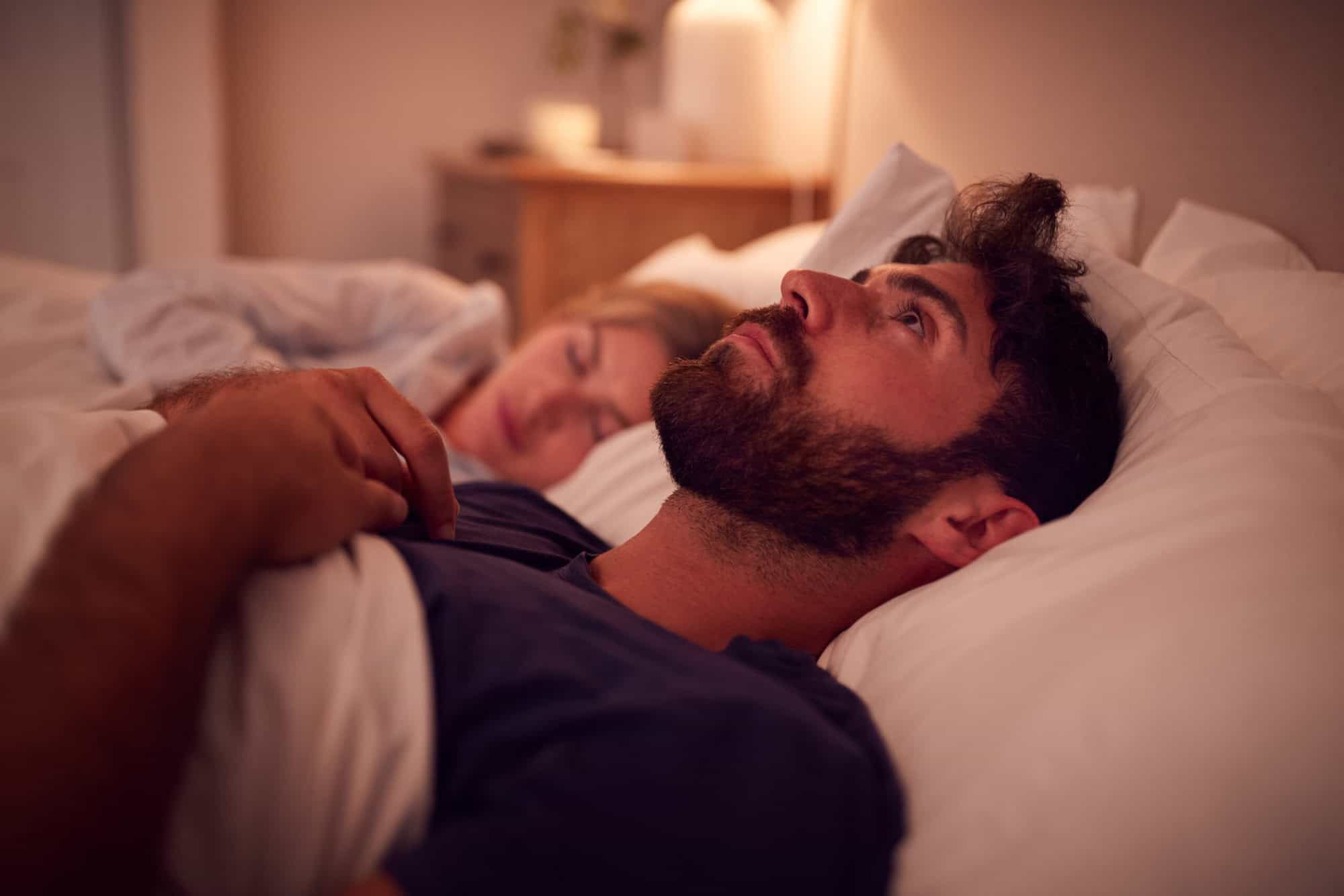
Getting enough sleep is essential for health and wellbeing. For example, it’s not widely known that sleep helps to regulate our appetite. Getting enough sleep reduces our cravings for sugary foods and carbohydrates, which in turn can affect our mood and food choices throughout the day. Without sufficient rest, the cycle can spiral – we increasingly rely on sugar and caffeine, making it harder to switch off at night, resulting in that awful “tired but wired” feeling. This state of being exhausted, but also unable to switch off can often be linked to hormones – we’ll return to that later.
Sleep is also critical to allow our bodies to get the repair they need, amongst other functions, it’s essential for resetting our electrolyte balance and regulating energy metabolism, helping us to recharge and start the next day afresh. And several studies have shown that poor sleep can lead to physical changes too. For example, just 48 hours of sleep deprivation has been reported to increase plasma levels of thyroid hormones, and chronic sleep disturbance can lead to an increased risk of conditions like type 2 diabetes, increased blood pressure and hypertension.
Does lack of sleep affect our weight?
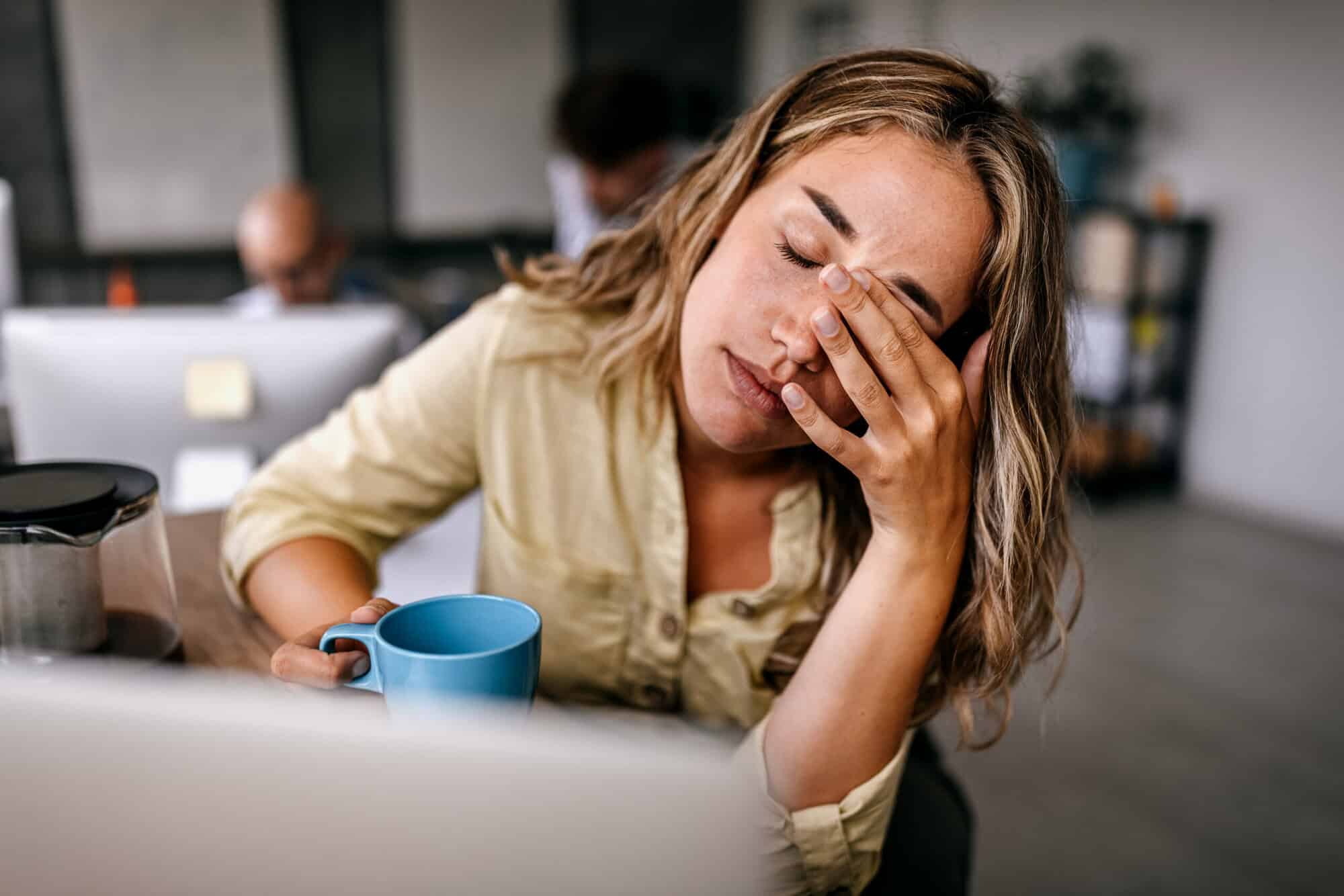
In simple terms, yes it does. Sleep deprivation raises cortisol levels, which kick starts a series of harmful effects such as insulin resistance which can then lead to weight gain. And if you’re thinking that more exercise will help you to sleep better – a word of warning. The reality is that exercise raises our adrenaline and cortisol levels, making sleep harder to achieve. We’re not suggesting you shouldn’t exercise, quite the opposite. But try getting your exercise earlier in the day and instead, focus on boosting oxytocin.
This is the ‘feel-good’ hormone that calms the system and helps to dissipate adrenaline and cortisol. It’s the ‘floaty’ feeling we get when massaged, or when we spend quality time with our pets. The correlation between stress and cortisol has been widely studied and there’s strong evidence that increasing levels of oxytocin can be very beneficial when dealing with a particularly stressful situation or life stage.

The simplest way to reset your sleep patterns
If you wake up frequently during the night, try getting 20 minutes of morning light every day, even if it’s cloudy. This exposure helps reset your circadian rhythms, telling your body that it’s daytime – in turn this restores your balance of melatonin, and sets you up for better sleep at night.
Menopause and sleep
Hormonal changes such as those during the peri-menopausal years of a woman’s life can often cause night sweats and difficulties in staying asleep (amongst other symptoms). Simple adjustments like those mentioned above could make a difference. Reducing sugar intake, avoiding intense evening exercise, and establishing a calming bedtime routine, can all help. And adding some extra magnesium into your diet via dark leafy greens, dark chocolate (above 70% cocoa solids) and supplements can be very helpful too.
The natural way to support deep sleep
If you’ve tried these lifestyle changes without success, then it may be that you need something extra to help you achieve good quality, deep sleep without resorting to pharmaceuticals. VitOrtho’s Sleep 4 in 1 contains a blend of natural plant extracts known to aid restful sleep including;
- Hops (Humulus lupulus) -a plant that belongs to the hemp family and is mainly recognised as being an ingredient in beer. German monks were familiar with the calming, sleep-promoting effects of hops as early as the ninth century, these properties being mainly attributed to the presence of methylbutenol. Hops are also known for having antiseptic, diuretic and anticarcinogenic properties. And when a group of Spanish scientists investigated these calming properties in both animals (quails) and humans (nurses with rotating shifts), they found that hops in a dosage similar to that in non-alcoholic beer, shortens the time it takes to fall asleep, improves sleep quality and reduces feelings of anxiety.
- Valerian – the extract from the roots of the valerian plant contains a wide variety of active ingredients, including essential oils. Its effectiveness can be attributed to the synergistic action effect of its components, which work together to promote better sleep. When combined with hops, valerian’s sleep-enhancing properties become even more powerful. Studies have consistently demonstrated its benefits – for example, patients suffering from insomnia were given either a valerian extract or a placebo for fourteen days. After two weeks, those in the valerian group experienced significant improvements in sleep quality, falling into deep sleep more quickly and spending a higher percentage of total sleep time in slow-wave sleep.
- In addition, our Sleep 4 in 1 supplement contains both golden poppy and passion flower, both of which have been shown to significantly improve sleep quality.
Remember, sleep isn’t just about feeling refreshed, it’s essential for your mind, body, and overall resilience. So focus on prioritising a good night’s sleep – it’s one of the best ways you can support your overall health and well-being.
Here’s to restful nights, sweet dreams and brighter days. Here’s to your health!
Ngan A, Conduit R: A double-blind, placebo-controlled investigation of the effects of Passiflora incarnata (passionflower) herbal tea on subjective sleep quality; Phytotherapy Research 25(8):1153-1159, 2011.
Donath F et al.: Critical evaluation of the effect of valerian extract on sleep structure and sleep quality; Pharmacopsychiatry 33(2):47-53, 2000.
Franco L et al.: The sedative effects of hops (Humulus lupulus), a component of beer, on the activity/rest rhythm; Acta Physiologica Hungaria 99(2):133-139, 2012.
https://pmc.ncbi.nlm.nih.gov/articles/PMC5476891/
