

Login as…

It’s never too late to live healthy
Young hearts, run free
When we’re in our early twenties, we don’t worry about our future health – especially if we haven’t experienced significant health issues before. We’re in peak physical condition, our metabolism is fast, our muscles recover quickly, and we feel invincible. It’s no wonder that when we’re young, we simply don’t make the connection between daily lifestyle choices and our future wellbeing.
As we enter our thirties, our metabolism slows, and our bodies take longer to recover from physical exercise. At this stage many women can experience issues with fertility – but in reality, unless something out of the ordinary happens like an accident or a specific condition, we generally don’t take too much notice of what’s going on with our health. So in our thirties, for the most part, we’re still taking good health for granted.
But come our forties, things start to change.

The signs are there
In our fifth decade, our bodies begin to reflect the cumulative impact of our lifestyle choices – what we’ve eaten, how much exercise we’ve taken, the stress we’ve had to deal with (or failed to deal with), and the habits we’ve formed over time.
While we may not experience sudden illness, subtle changes start to emerge. Our metabolism continues to slow, recovery takes even longer, we put on weight more easily, energy levels dip, and minor aches become more frequent. Despite any good intentions we may have had along the way, our bodies have become increasingly toxic – the long-term consequences of our lifestyle choices over many years.

Hitting the half century
By the time we hit our fifties, the aches and pains start to linger for longer, joints and muscles feel even stiffer. And for women, this decade often brings with it the challenges of perimenopause and menopause, with fluctuating hormone levels affecting everything from mood to metabolism – brain fog, forgetfulness, mental fatigue and disrupted sleep all contributing to a general feeling of being both mentally and physically off-balance.
But while many of these changes are natural, they’re not all inevitable or irreversible. At VitOrtho, we believe that eating and sleeping well, exercising appropriately, taking time out to relax, getting outside in nature and having fun are the most essential ingredients for improving our health.
Generally speaking, moving more and eating less is the best way to ensure our bodies thrive. And at any age, we can make changes to our diet and exercise regime.

Getting the nutrients we need
That’s all well and good, but of course it’s not always easy to do, and sometimes, we need extra help to optimise our health. One thing we can all do is to adjust our nutrient intake. Combined with good lifestyle choices, good nutrition can have a huge impact on how we feel.
Of course, it’s important to start slowly. Before making any drastic lifestyle changes you should consult a GP or health professional – especially if you’re on medication or have an existing chronic condition. And it’s important to realise that our bodies are finely balanced and changing anything can throw something else out of kilter.
Oranges aren’t the only fruit
Vitamin C is essential for immune function, collagen production and supporting energy levels. As humans, we can’t make our own Vitamin C and rely on obtaining it from our food. And it’s interesting to note that vitamin C can’t be stored in the body because it’s water soluble – which means you need a regular intake.
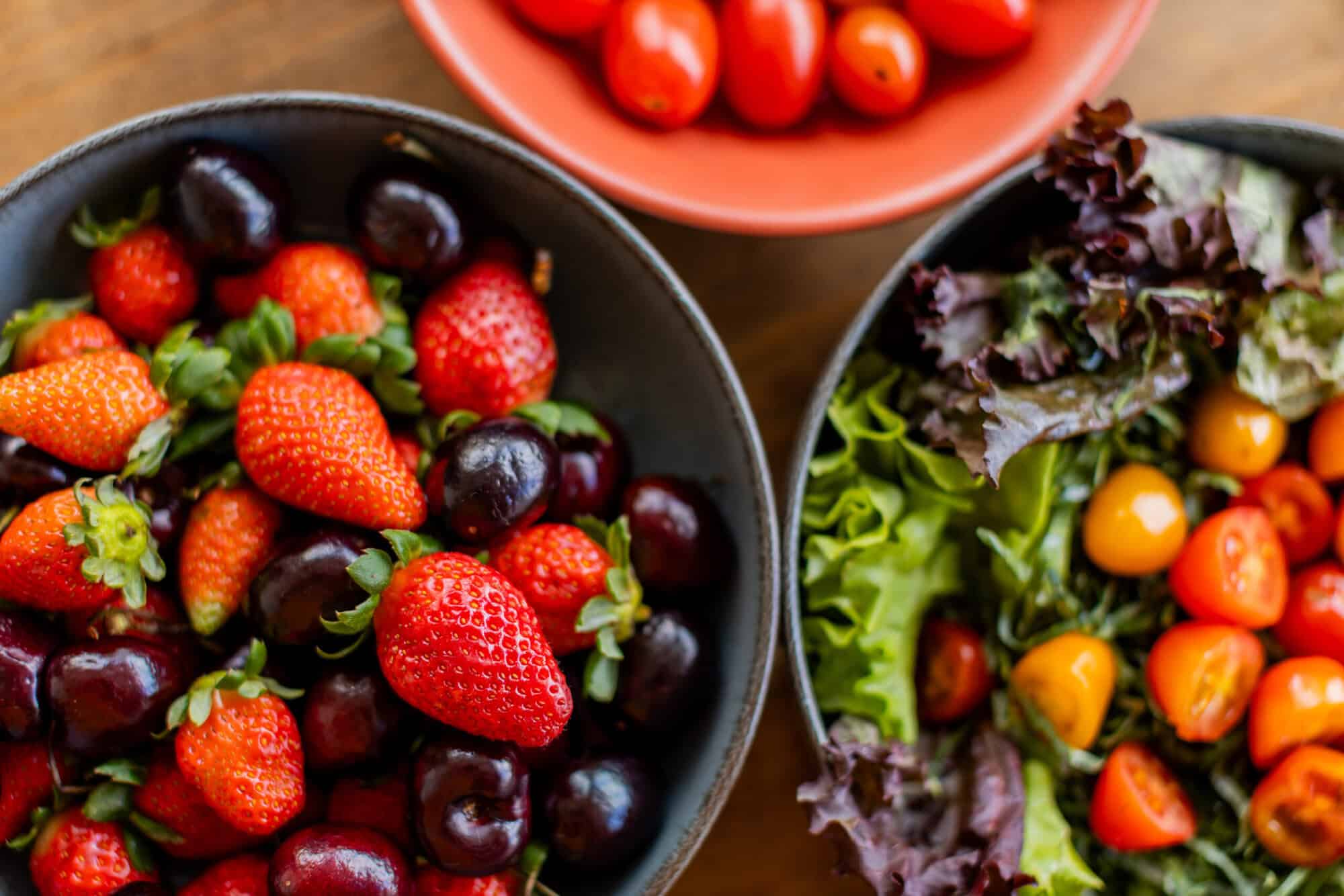
Great sources of vitamin C include broccoli, kale, red peppers, strawberries, kiwi and grapefruit. And whilst oranges are often thought of as the best source, the reality is that you won’t absorb much from the juice alone – the bioflavonoids you need are actually more present in the peel and the pith.
And there’s a challenge here. Sugar, caffeine and alcohol all work in competition with vitamin C, making it harder to maintain optimum levels (particularly because we can’t store it up). And that’s why so many people choose to supplement daily.
Magnificent magnesium
Almost all of us are low in magnesium, even those who follow a well-balanced diet. That’s largely because modern farming practices (for the most part) have changed the nature of our soil, meaning that fruit, vegetables and animal products are generally lower in nutrients than they once were.
Why is that a problem? Well, magnesium is used for over 300 processes in the body – so if you’re experiencing fatigue, migraines, headaches, sleep issues, twitching, muscle cramps, brain fog, anxiety and stress (the list just goes on), then you are quite likely to be deficient in magnesium.
You may have heard that there is magnesium in chocolate, but with the recommended intake being 270mg for women and 300mg for men, that means you’d have to eat a huge amount of chocolate every day to reach those kinds of intake levels.
And while some might say that’s no bad thing, your digestive system, your immune system and your dentist may have a different opinion!
Everyday changes we can all make for the better
Clearly, we’d always advocate for a well-balanced diet. But the realities of modern life mean that there are some vital vitamins, minerals, essential fatty acids and other nutrients, that we simply don’t get enough of every day. That’s where taking an everyday food supplement can be a useful addition, filling in our nutritional gaps and supporting our overall wellbeing.
That’s why, at VitOrtho, we’ve developed a range of everyday multivitamins using the best possible absorbable ingredients, designed to suit different ages and lifestyles including;
- Women – essential support for anxiety, stress, brain fog and PMS
- Men – supporting energy levels and cognitive function
- Kids – the nutrients they need for normal development of teeth, bones and brains
- Pregnancy – designed for expectant mothers, including B vitamins, folic acid, magnesium and iron
- Over 50s – for optimal body function, supporting the immune system and memory
- Sport – for athletes, promoting better energy, endurance and muscle recovery
- Vegan – help ensure good levels of B12, iron and fatty acids for anyone on a plant-based diet
Get the essentials right
Nobody’s perfect. But taking better care of our health isn’t about achieving perfection – for most of us, that’s an impossible task. While supplements can make a big difference, the key to better health is making small lifestyle changes now for long term benefits.
It’s never too late. Whether that’s prioritising sleep, moving more or eating better – every positive change we make to our daily lives will support a healthier future self.