
Login as…

Seasonal allergies – Quercetin your natural ally
Quercetin: A Powerful Plant Nutrient for Immunity, Inflammation & Everyday Health
Quercetin is one of nature’s most impressive plant compounds—and chances are, you’re already eating it without realising. Found in apples, onions, berries and grapes, quercetin belongs to a group of plant nutrients called flavonoids, which help protect plants from stress and, in turn, support human health.
Over the years, quercetin has gained attention for its wide-ranging benefits, especially for immune health, inflammation, allergies, exercise recovery, and healthy ageing. Let’s take a closer look at why this bright yellow plant compound deserves a place in your wellness routine.
What Exactly Is Quercetin?
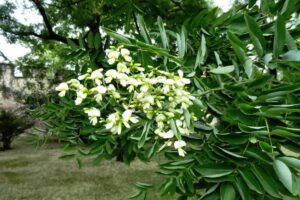
Quercetin is a natural pigment (a flavonol) that gives many fruits and vegetables their vibrant colour. It’s especially abundant in:
- Apples
- Onions
- Berries
- Grapes
- Cruciferous vegetables (like broccoli and kale)
- Tomatoes
- Herbs such as elderberry, Ginkgo biloba, and St. John’s wort
Quercetin acts as a protective shield inside the body, helping cells cope with everyday stressors like pollution, intense exercise, and inflammation. The Quercetin VitOrtho uses is from the Japanese yellow flower bud, carefully processed for superior effectiveness.
A Natural Antioxidant DefenderOne of quercetin’s most important roles is as a powerful antioxidant. Antioxidants help neutralise free radicals—unstable molecules that can damage cells and contribute to ageing and chronic disease.
Quercetin supports the body’s own antioxidant system by:
- Helping maintain healthy levels of glutathione, often called the body’s “master antioxidant”
- Protecting fats in cell membranes from oxidative damage
- Supporting natural antioxidant enzymes that keep cells balanced and resilient
By keeping oxidative stress in check, quercetin plays a supportive role in long-term health, including brain health, heart health, and healthy ageing.
Immune Support You Can Feel
Quercetin is widely known for its immune-balancing properties. Rather than simply “boosting” the immune system, it helps calm excessive inflammation while supporting the body’s natural defences.
Research shows quercetin can:
- Help regulate inflammatory messengers involved in immune responses
- Support a balanced response to seasonal challenges
- Assist the body in dealing with viral stressors
Interestingly, studies suggest quercetin may be especially helpful for active adults and people over 40, where it has been associated with fewer sick days and milder symptoms during immune challenges.

Relief for Allergies and Histamine Sensitivity
If you struggle with seasonal allergies, sinus issues, or histamine sensitivity, quercetin may be especially beneficial.
Quercetin helps by:
- Stabilising mast cells (the cells that release histamine)
- Reducing the release of histamine and inflammatory compounds
- Supporting a calmer immune response
This makes quercetin a popular natural option for people dealing with hay fever, asthma, sinus congestion, and allergic-type inflammation.
Support for Exercise, Recovery & Muscle Health
Quercetin isn’t just for immunity—it’s also valued by athletes and active individuals.
Studies show quercetin may:
- Reduce exercise-induced oxidative stress
- Support muscle recovery and reduce soreness
- Improve endurance and perceived recovery time
- Help protect muscles from damage during intense training
Some research even shows improved performance and faster recovery in endurance athletes who supplement with well-absorbed forms of quercetin.
Heart Health & Blood Pressure Support
Quercetin also supports cardiovascular health. Research suggests it may:
- Help maintain healthy blood vessel function
- Support normal blood pressure levels, particularly at higher doses
- Reduce inflammation linked to heart stress
These effects appear to be most noticeable when quercetin is taken consistently and in sufficient amounts.
Why Absorption Matters
One challenge with quercetin is bioavailability—how well it’s absorbed by the body. Standard quercetin supplements are often poorly absorbed, meaning only a small amount actually reaches the bloodstream.
Quercetin from whole foods is absorbed better because it’s naturally bound to sugars. However, modern supplement technology has also improved absorption dramatically.
Phytosome® & Liposomal Quercetin
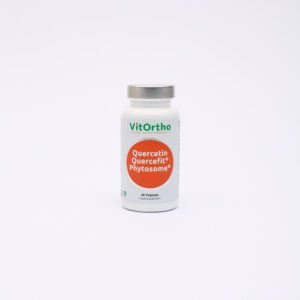
Advanced formulations like Phytosome® or liposomal quercetin bind quercetin to phospholipids (from lecithin), making it far more absorbable—up to 20 times better than standard quercetin.
This means:
- Better results at lower doses
- More consistent benefits
- Improved support for immunity, exercise recovery, and inflammation
Quercetin for Healthy Ageing
Emerging research suggests quercetin may support cellular health and longevity. Studies using validated ageing models show improved resistance to oxidative and physical stress, as well as activation of genes linked to longevity.
This makes quercetin a promising nutrient for those interested in supporting:
- Long-term vitality
- Healthy aging
- Resilience against daily stressors

A Smart Addition to Your Wellness Routine
Quercetin is a versatile, well-researched plant compound with benefits that span immunity, inflammation, exercise recovery, heart health, and ageing. Whether you get it from a colourful diet rich in fruits and vegetables or from a well-formulated supplement, quercetin offers year-round support for overall wellness.
As always, if you take medications or have a medical condition, it’s wise to consult your healthcare provider before starting any new supplement.
Nature gave us quercetin for a reason—and modern science is just beginning to unlock its full potential.
