

Login as…

How did you sleep last night?
Improve your chances of dropping off easily and staying asleep.
You’re lying there, getting more and more frustrated. All sorts of things start whirling around your mind. The list making starts. Then you’re too hot; then too cold. Your pillow needs to be adjusted, and adjusted again. Eventually, you feel a bit more relaxed, sleep might just be around the corner. Then the birds start singing…
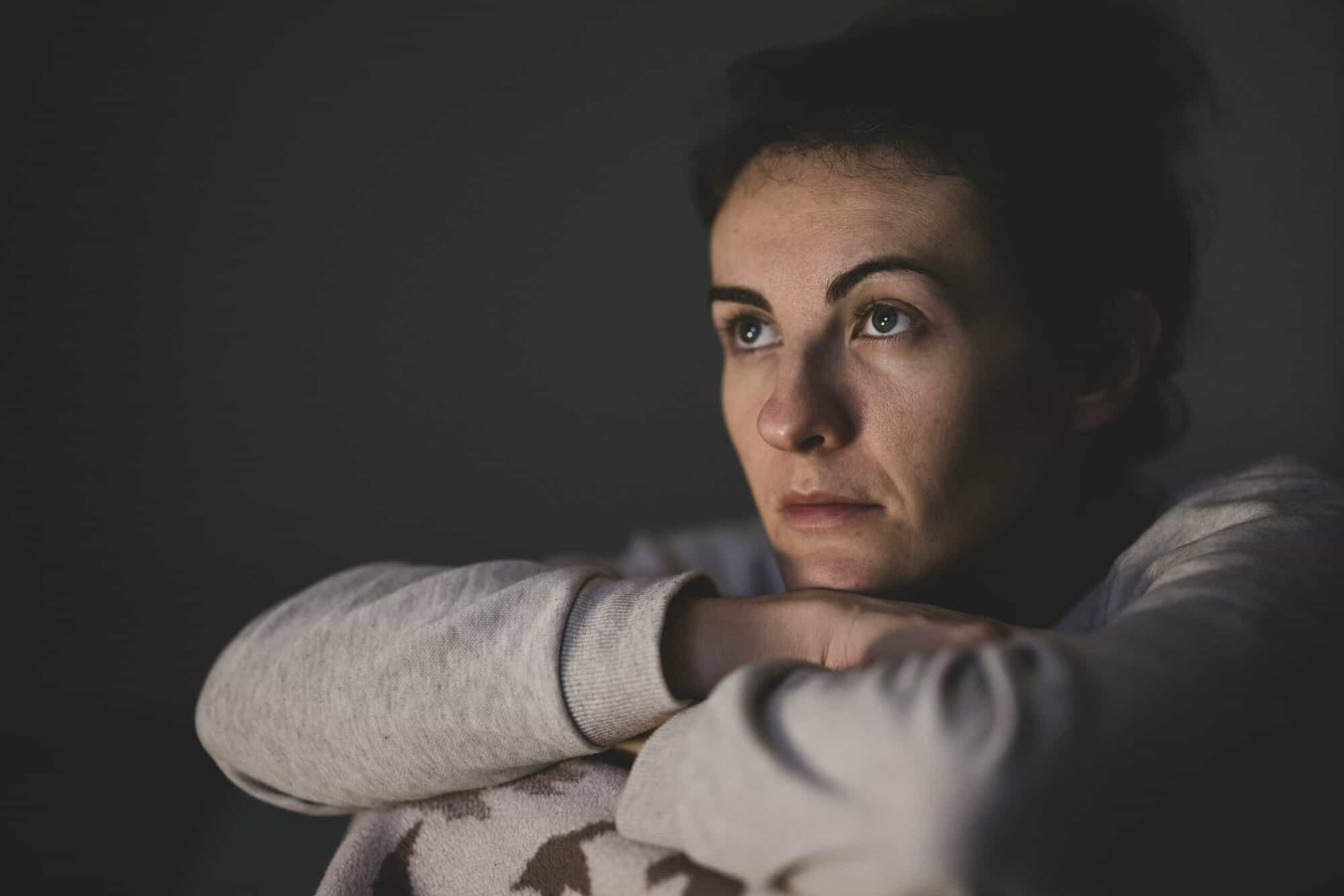
Searching for reasons
What causes poor sleep? According to the Sleep Council, 40% of adults and children in the UK suffer from broken sleep. It can be caused by getting up to go to the bathroom multiple times during the night, or other physical ailments. But for many, it’s not even that: there’s no apparent reason for it being difficult to drop off (or for waking up just a short while after falling asleep, and struggling to get back to sleep).
It means the next day you can feel exhausted, fuzzy and just plain frustrated after a night of restlessness.
But you can rest easy – follow our 4 top tips below to help you drift off and enjoy a better quality night’s sleep as part of a healthier, happier life.

Our 4 top tips
- 1 – Get some morning light. Circadian rhythms rely on us being in tune with day and night cycles. Our body was created to be active during daylight hours and to rest and sleep during the dark. Try to get 20 minutes of morning light every day (even if it’s cloudy) – the earlier the better, and definitely before midday. This natural blue light will help reset your rhythms and tells your body that it’s daytime, which in turn will tell it when it’s night time. No sunglasses during those 20 minutes, you don’t want to filter those rays!
- 2 – Find out what works later in the day. The later you’re outside in the blue light, the harder it might be to fall asleep. So, experiment with different times: take a late afternoon walk, for example, and see if it keeps you alert longer into the evening. This can be useful if you want to stay up later to get some tasks done; but not if you want to drift off nice and easily.
- 3 – Come off the screens. The ‘rule of thumb’ is to stay off your phone, tablet or computer for two hours before your bedtime. Television can also have an effect, but it seems to be less than these other devices. If you have LED lights at home, turn them down (or off) and use ‘old fashioned’ bulbs where possible (LED and fluorescent lights have a much stronger effect on the body’s rhythms than the glow from incandescent light).
- 4 – Do some exercise, and do it early. For some, working out in the late afternoon or evening can mean adrenaline and the resulting cortisol can still be running around your system at night. At bedtime, different hormones should take over. Oxytocin is the hormone that calms cortisol down: it’s that feelgood hormone that comes into play when we are stroked or massaged, or even when we brush our own hair. How about a 10-minute foot massage to get you into a dreamy state before bed?
Reducing your intake of caffeine and sugar is something else you might want to look into when it comes to improving your sleep (you can read more about the body’s relationship with sugar in our blog here.

New habits first, supplements if needed
Of course, various nutrients can be at play when it comes to the ease with which you drift off to sleep, and the uninterrupted quality of your sleep. Taking food supplements (for example VitOrtho’s Sleep 4-in-1) is an option, and can improve matters if you’re struggling. But not before exploring different routines, acting on tips and changing pre-bedtime habits. Supplements can offer useful additional support when it comes to sleep success.
