
Login as…

Planning to detox? Here’s what you need to know
If you’re feeling a bit unwell this winter – struggling with coughs and colds, feeling tired and moody or having problems with your digestion like heartburn, bloating and irregularity, you may want to join us for a detox program?
A nutritional detox is one of the best things you can do for your health – it’s about combining the right nutrition with good hydration, rest and gentle exercise, whilst avoiding toxins as much as we can. When we detox, we’re simply giving our natural detox systems a bit of a break by reducing the toxin load we take in, and creating the right conditions for our liver, kidneys, lungs and skin to work as efficiently as possible.
But how can we make sure we avoid ‘avoidable’ toxins and what should we be eating more of?

How to reduce your toxin intake
We’re exposed to toxins all the time in our daily lives. From air pollution and pesticides to household chemicals and heavy metals, we’re surrounded by toxins that we can’t always avoid. But there are many toxins that we can avoid – and many of these are found in our diets. So if you’re planning a detox, here are some of the foods you should avoid:
Processed and packaged foods
Packaged foods like ready meals, chips, frozen fast foods, sauces and instant noodles (the list is almost endless) are very often high in additives, preservatives and refined oils that increase inflammation and make your liver work harder.
Refined sugar and artificial sweeteners
Here, we’re talking about the obvious (sugar, sweets, pastries and sugary drinks), but also foods containing high sugar content such as flavoured yoghurts. Sugar spikes your insulin, disrupts your gut bacteria and feeds inflammation. Even artificial sweeteners have a negative impact on digestion and also on hormone balance.
Gluten and refined carbohydrates
You should also avoid white bread, pasta, pastries (already mentioned for other reasons!), crackers and many breakfast cereals. That’s because they’re highly inflammatory and can cause bloating, sluggishness and fatigue – especially if your gut needs to heal.
Dairy products
Dairy foods such as milk, cheese, butter, cream and ice cream can be mucus-forming and hard to digest for most people, particularly during detox when you want to reduce internal congestion.
Red meat and processed meats
Meats such as beef, pork, lamb, sausages, bacon, and deli meats like salami or prosciutto require more digestive effort and produce acidic by-products that place a heavy burden on the liver and kidneys.
Caffeine and alcohol
Most of us are aware that alcoholic drinks (wine, beer, spirits etc) tax the liver directly, but during a detox we should also avoid caffeinated drinks like coffee, tea and energy drinks, as these can deplete minerals, irritate the gut and interfere with hydration – and also prevent us from getting good rest.
Refined vegetable oils and fried foods
When we use cooking oils like vegetable oil, corn oil, soybean oil and other seed oils, we’re exposing ourselves to high levels of omega-6 fats that promote inflammation and oxidative stress. And the same is true of margarine and fried snacks.
Chemical additives and artificial ingredients
It’s really important to read labels! Many foods we buy contain colourings, flavour enhancers (like MSG), preservatives and emulsifiers – important to avoid as they create extra work for your detox organs and disrupt hormone and gut balance.
The foods we should eat more of to help us detox effectively
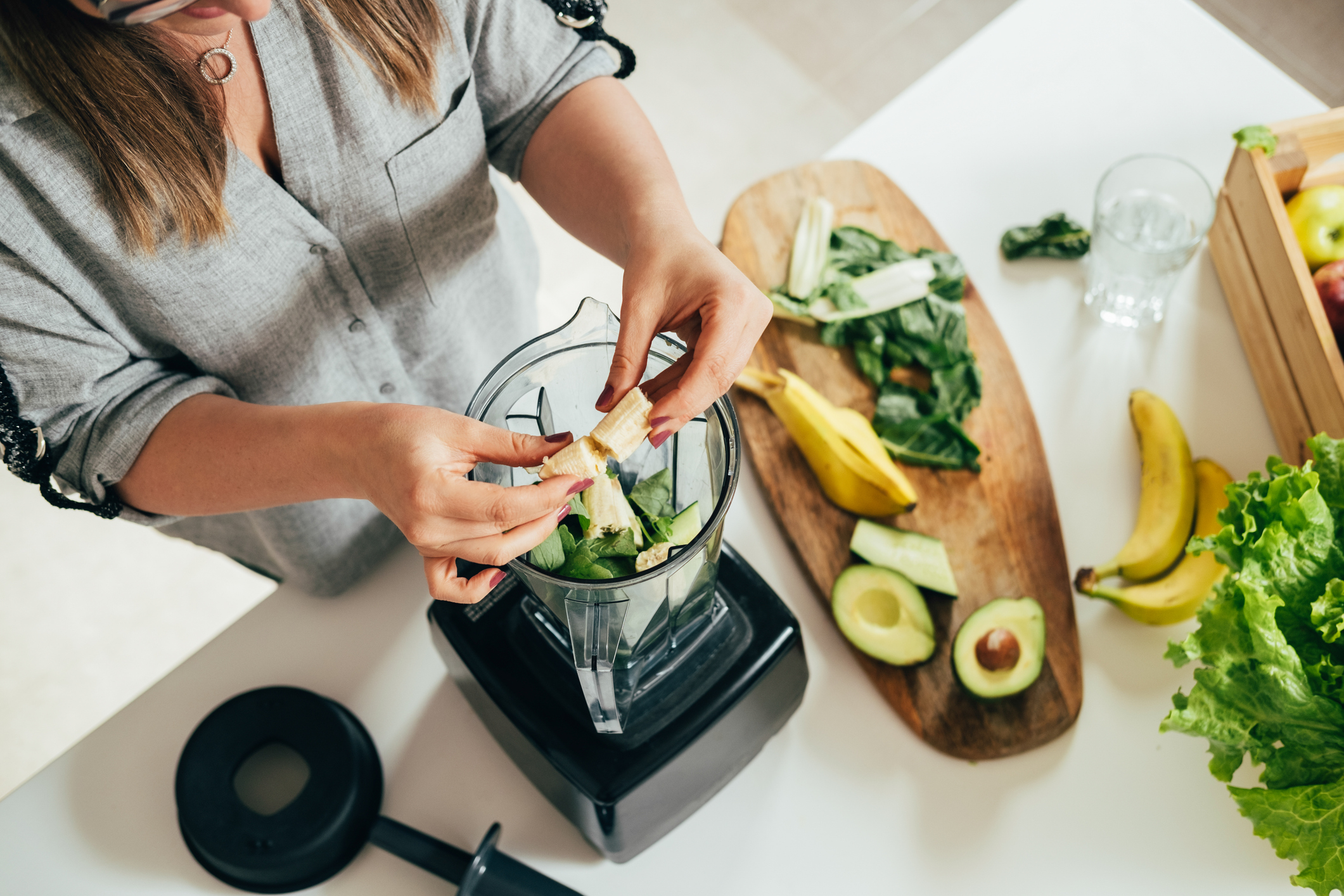
If you’re planning a detox, you may need to do some shopping! Here’s a shopping list so you can stock up on detox-friendly foods that will ‘feed’ your natural detox pathways:
- Cruciferous vegetables: broccoli, cabbage, cauliflower, kale, sprouts and watercress
- Sulphur-rich vegetables like onions, garlic
- Citrus fruits and other fruits: berries, pomegranate and grapes
- Herbs and spices: turmeric, ginger, rosemary, coriander and parsley
- High-glycine foods: egg whites, spinach, seaweeds and long beans
- Quality proteins: wild salmon, poultry, beef liver, eggs and legumes (like beans and lentils)
- High-fibre foods: vegetables, pulses, chia, flax and whole grains like brown rice and quinoa (if tolerated)
- Healthy fats: olive oil, avocado, nuts and seeds
- Fermented or probiotic foods: sauerkraut, kimchi, kombucha and kefir
- Herbal teas and infusions like dandelion, peppermint, nettle and ginger
It’s not an exhaustive list, but a focus on whole foods and your favourite fruits and vegetables will give your detox systems the right nutrients to help them thrive. And remember, a detox isn’t forever – you’re simply supporting your body’s natural ability to cleanse itself by giving it the time and nutritional support it needs to detox effectively.

Important: Start slowly and gently
It’s important that you don’t completely change your diet overnight. Start slowly and gently, gradually replacing your normal diet with more detox-friendly foods. And if you have a medical condition, are pregnant/breastfeeding, or taking prescribed medication, please consult your GP or health professional before making significant dietary changes.
