

Login as…

Tired of sneezing? Here’s how to manage your hay fever
The hay fever survival guide
As the new shoots of spring grow into gorgeous summer blooms, we’re reminded how beautiful our world can be. Longer evenings, warmer weather, the smell of newly-mowed grass and… hay fever.
According to the Met Office, one in five people in the UK suffer from hay fever. For many of us, this time of year can bring with it itchy eyes, runny noses, sneezing fits, fatigue and brain fog. For some, it’s a mild inconvenience – but for others, hay fever can really have a big impact on our day to day lives.
So what exactly is hay fever?
Hay fever (also known as allergic rhinitis) is an allergic reaction that occurs when the immune system overreacts to allergens present in the air. Common triggers include pollen, house dust mites, mould spores, and pet dander.
Symptoms can be mild or severe (and everything in between), depending on the allergen and the individual’s sensitivity. Seasonal allergies, often triggered by pollen, can cause symptoms during specific times of the year – particularly in the spring and summer. However, some people can experience year-round symptoms due to allergic reaction to indoor allergens.

What are the symptoms?
People affected by allergic rhinitis often experience many of the following symptoms;
- Frequent and persistent sneezing
Especially when exposed to specific allergens such as pollen, dust mites, or pet dander. - Runny or stuffy nose (nasal congestion)
Can lead to difficulty breathing through the nose – and lack of restful sleep. - Itchy, red, and watery eyes (allergic conjunctivitis)
These symptoms can cause significant discomfort and sensitivity to light. - Itchy throat or ears
Often accompanied by irritation or that horrible scratchy feeling. - Fatigue and irritability
Our mood and our overall energy levels can also be affected after prolonged exposure to allergens, particularly when other symptoms have a negative impact on our usual daily rhythm.
And on top of all that, hay fever can weaken our natural immune response, making us vulnerable to other seasonal illnesses too.

Pollen avoidance isn’t easy
Clearly, people who are badly affected by hay fever can take steps to reduce their exposure to pollen, particularly on days when the count is high – staying indoors can help, but that’s not always practical, plus there are many health benefits to getting out and about and enjoying the warmer weather.
Of course, you could try going out on wetter days (rain washes pollen from the air), keeping your windows closed when at home and in the car, drying clothes indoors, and avoiding activities like mowing the lawn.
But none of these ‘solutions’ helps us to enjoy the best of what the summer has to offer. Which is why (understandably) we tend to look for ways to treat the symptoms, rather than avoid the problem.
Treatments for hay fever
Most people treat hay fever symptoms using over-the-counter or prescribed medication including antihistamines. As the name suggests, these block the action of histamine, produced by the immune system in reaction to allergens. Examples include cetirizine, loratadine and fexofenadine – which can help relieve sneezing, runny noses and itching.
Others turn to nasal sprays, decongestants and eye drops to soothe irritation – all of which offer a degree of short-term relief.
In severe cases of hay fever, where standard treatments haven’t worked, immunotherapy (also known as desensitisation) involves giving gradually increasing doses of allergens (either by injection, tablets, or drops under the tongue) to help the body build tolerance over time. However this relatively new approach to allergy treatment is highly controlled and usually only available privately.
Quercetin – a natural alternative
As we’ve seen, most standard treatments can temporarily suppress hay fever symptoms. But our Quercetin Quercefit® Phytosome® is different.
Quercetin is a non-drowsy, natural plant-based bio-active flavonoid found in many fruits and vegetables including apples, berries, broccoli and onions – and is often referred to as a natural antihistamine, helping the body respond more calmly to allergens. But while it’s available in many foods, it can be difficult for your body to absorb enough to have a meaningful impact.
That’s where Quercefit® comes in.
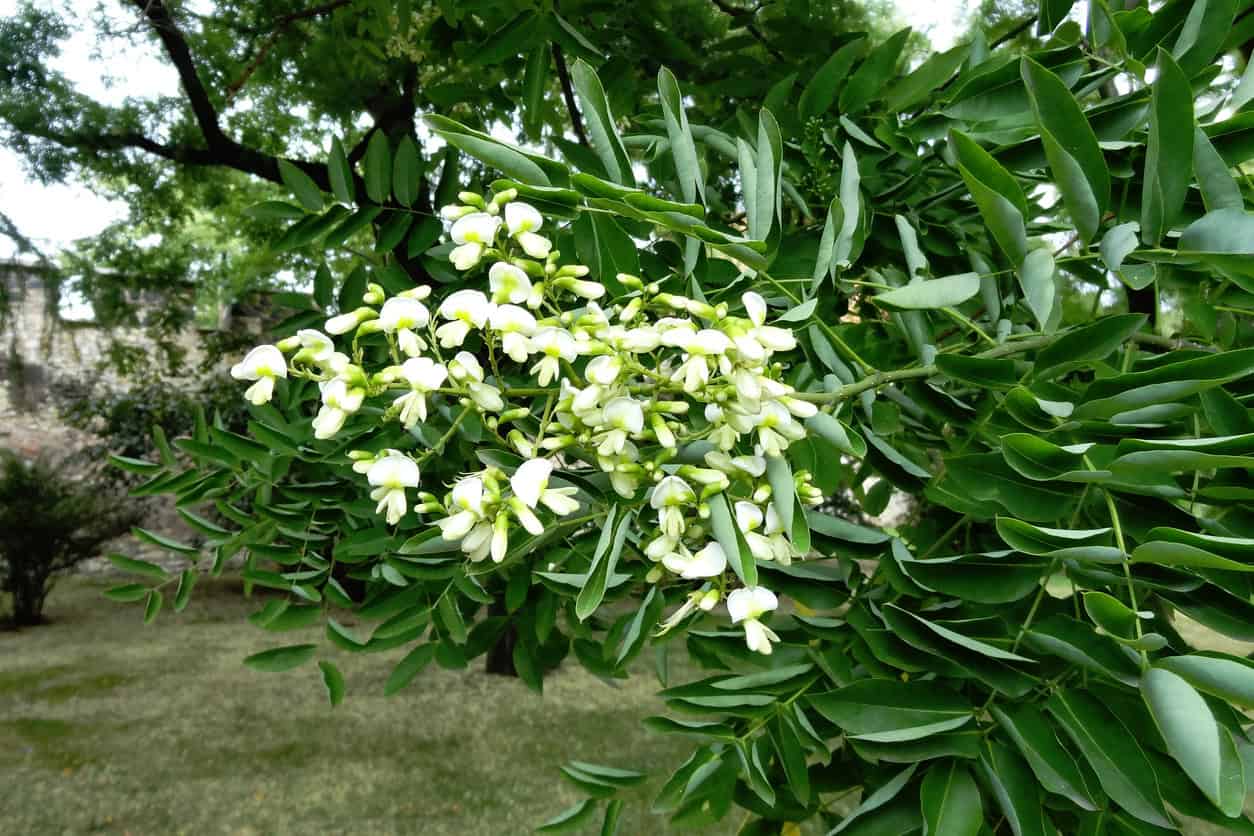
Quercefit® is a patented, highly absorbable form of quercetin, made from the flower buds of the Sophora Japonica plant. It’s been shown (in human trials) to reduce sneezing, itching and nasal discharge, improve sleep quality and support general wellbeing and recovery.
And thanks to Phytosome® technology, it’s up to 20x more absorbable than standard quercetin – meaning you get faster results from a lower dose.
So while traditional medications can be effective at controlling hay fever symptoms, VitOrtho’s Quercetin Quercefit® Phytosome® provides a natural, scientifically proven way to support your body, not just silence the symptoms. And it does it without any of the side effects sometimes associated with conventional treatments.
Make this allergy season different
At VitOrtho, we’re passionate about using the latest nutritional science to support your everyday wellbeing. Our Quercetin Quercefit® Phytosome formula is vegan, non-GMO and designed for optimal absorption.
It’s ideal for hay fever sufferers who’d rather be out in the summer air than locked indoors.
